
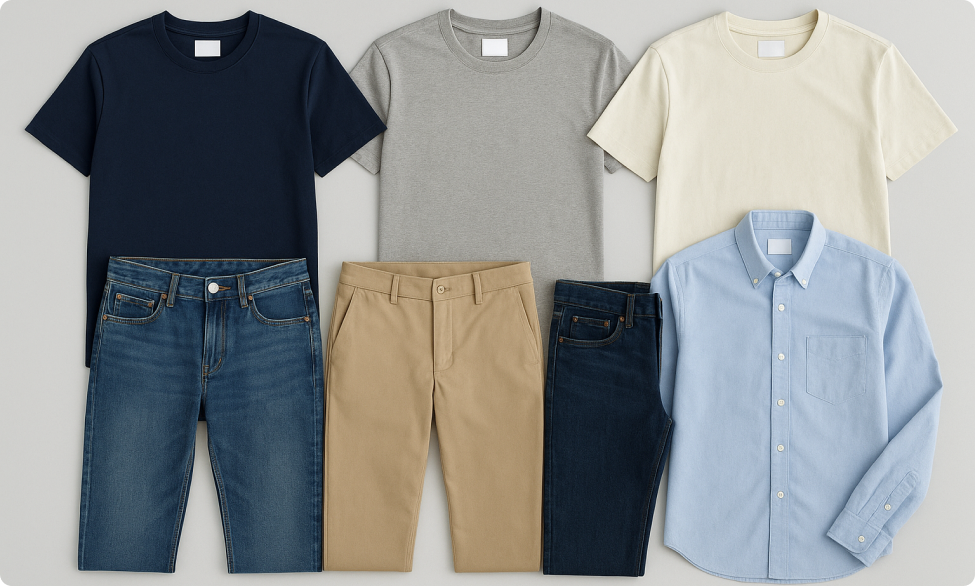
In a world where fashion trends change rapidly, true style isn’t just about buying new clothes—it’s about maintaining what you already own. Well-maintained clothing not only looks better but also lasts longer, saves money, and reflects a polished personal image. Whether it’s your favorite T-shirt, a tailored blazer, or everyday denim, proper care can significantly extend the life of your wardrobe.
This guide covers practical, easy-to-follow clothing maintenance tips that help preserve fabric quality, color, shape, and overall appeal—ensuring your style remains sharp for years to come.
Why Clothing Maintenance Matters
Many people underestimate how daily habits affect their clothes. Improper washing, careless storage, or excessive heat exposure can quickly ruin even premium garments.
Benefits of maintaining your clothes properly:
- Extends garment lifespan
- Preserves fit, color, and texture
- Saves money on replacements
- Promotes sustainable fashion
- Enhances your overall appearance
Taking a little extra care goes a long way in maintaining long-lasting style.
1. Read and Follow Care Labels Carefully
Care labels are not decorative—they’re instructions from the manufacturer based on the fabric’s needs.
What Care Labels Tell You:
- Washing method (hand wash, machine wash, dry clean)
- Water temperature
- Drying method
- Ironing instructions
Ignoring these can lead to shrinkage, fading, or fabric damage. Make it a habit to check labels before washing—especially for new garments.
2. Sort Clothes Before Washing
Throwing everything into one wash cycle is one of the fastest ways to ruin clothes.
Proper Sorting Includes:
- Colors: Whites, darks, and brights
- Fabric type: Delicates vs heavy fabrics
- Soil level: Lightly worn vs heavily soiled
This prevents color bleeding, fabric abrasion, and uneven cleaning.
3. Wash Clothes the Right Way
Overwashing is one of the most common reasons clothes wear out quickly.
Smart Washing Tips:
- Wash clothes only when necessary
- Turn garments inside out to protect color
- Use cold water to prevent fading and shrinking
- Choose gentle cycles for delicate fabrics
Jeans, jackets, and sweaters often don’t need washing after every wear.
4. Use the Right Detergent
Not all detergents are created equal. Using the wrong one can weaken fibers over time.
Best Practices:
- Use mild or fabric-specific detergents
- Avoid excessive detergent—it leaves residue
- Choose color-safe detergent for dyed garments
- Use liquid detergent for cold washes
Fabric-friendly detergents help maintain softness and strength.
5. Avoid Overloading the Washing Machine
Cramming too many clothes into one wash reduces cleaning efficiency and increases friction.
Why It’s Harmful:
- Causes fabric stretching
- Leads to uneven washing
- Increases wrinkles and wear
Allow clothes enough space to move freely for better cleaning and less damage.
6. Dry Clothes with Care
Drying is often more damaging than washing—especially with high heat.
Safer Drying Options:
- Air-dry whenever possible
- Use low-heat tumble settings
- Remove clothes promptly to avoid wrinkles
- Lay sweaters flat to prevent stretching
Sunlight can fade colors, so dry colored clothes in shade.
7. Iron and Steam Properly
Excessive heat can scorch or weaken fabric fibers.
Ironing Tips:
- Match iron temperature to fabric type
- Iron clothes inside out when possible
- Use steam for stubborn wrinkles
- Never iron dirty clothes—it sets stains
For delicate garments, steaming is often a safer alternative.
8. Store Clothes the Right Way
Improper storage can deform clothes even if they’re rarely worn.
Smart Storage Practices:
- Use padded hangers for shirts and blazers
- Fold heavy knits instead of hanging
- Store clothes in breathable garment bags
- Keep wardrobes clean and dry
Avoid overcrowding—tight spaces cause wrinkles and fabric stress.
9. Rotate Your Wardrobe Regularly
Wearing the same clothes repeatedly without rotation accelerates wear and tear.
Benefits of Rotation:
- Allows fabrics to rest and recover
- Reduces washing frequency
- Ensures even wear across garments
A balanced wardrobe helps every piece last longer.
10. Treat Stains Immediately
Stains become harder to remove the longer they sit.
Quick Stain-Removal Tips:
- Blot—don’t rub
- Use cold water for protein stains
- Test stain removers on hidden areas
- Avoid heat until stain is fully removed
11. Repair Minor Damage Early
Small issues can turn into big problems if ignored.
What to Fix Immediately:
- Loose buttons
- Small tears
- Open seams
- Broken zippers
Basic sewing skills or quick tailoring can save expensive garments.
12. Be Careful with Fragrances and Deodorants
Direct contact with chemicals can stain and weaken fabrics.
Prevention Tips:
- Let deodorant and perfume dry before dressing
- Apply fragrance to skin, not clothes
- Wash areas prone to buildup regularly
This is especially important for light-colored shirts.
13. Don’t Ignore Seasonal Care
Seasonal storage and maintenance matter.
Seasonal Clothing Tips:
- Wash clothes before long-term storage
- Use moisture absorbers
- Store winter wear in airtight containers
- Air out clothes before wearing again
This prevents odor, mildew, and insect damage.
14. Invest in Quality Over Quantity
Well-made garments are easier to maintain and last longer.
Why Quality Matters:
- Stronger stitching
- Better fabric resilience
- Improved color retention
Fewer high-quality pieces often outperform a wardrobe full of fast fashion.
15. Adopt Sustainable Clothing Habits
Caring for clothes is also an eco-friendly choice.
Sustainable Practices:
- Wash less frequently
- Air-dry instead of machine drying
- Repair instead of replacing
- Donate responsibly
Sustainable fashion starts with mindful maintenance.
Final Thoughts
Long-lasting style isn’t about constantly updating your wardrobe—it’s about respecting and caring for the clothes you already own. By adopting simple maintenance habits like proper washing, thoughtful storage, and timely repairs, you can keep your outfits looking fresh, stylish, and refined for years.
FREQUENTLY ASKED QUESTIONS [FAQs]
Wash clothes only when needed to prevent unnecessary wear and fading.
Yes, air-drying reduces fabric damage and helps clothes last longer.
Excessive heat can weaken fibers, so always use fabric-appropriate settings.
Wash clothes inside out in cold water using color-safe detergent.
No, folding sweaters prevents stretching and shape loss.